15 Luxury African Art Pieces Serious Collectors Are Investing In

A real Ife-style bronze head does not look like the one at the airport gift shop, and once you have seen both side by side you never mistake them again. That is the gap most new buyers fall into. They shop for luxury African art pieces for collectors the same way they shop for wall decor, based on how a piece looks in a photo, and they end up with something a gallery would never authenticate.
Serious collecting works differently. It rewards patience, paperwork, and a willingness to ask uncomfortable questions before you pay.
The pieces below were chosen because each one has an active secondary market, a traceable provenance path, or a growing base of institutional interest, not because they photograph well on a shelf.
Some of these you can start with this year on a modest budget. Others take longer, cost more, and reward the collector who does the homework first.
Either way, the goal here is the same: buy pieces that hold their story and their value.
15 Luxury African Art Pieces Serious Collectors Are Investing In
1. Original Ife-Style Bronze Heads From Editioned Foundries

Weight is the first tell. A real cast bronze head has heft that a resin or spelter copy cannot fake, and once you have held one you notice the difference in seconds.
The metal feels cold and dense against the palm in a way that lightweight reproductions never quite manage, no matter how convincing they look in photos.
Editioned foundry pieces come with a number, a foundry mark, and usually a signature or estate stamp somewhere on the base.
Skip anything sold without at least two of those three. Ask the seller to photograph the base directly in raking light, since that is where casting seams and stamps show up clearest, and where most fakes cut corners because buyers rarely think to check there first.
Insure a foundry-cast head separately from your general home policy. Most standard coverage caps fine art at a low flat amount, and a genuine editioned piece can exceed that cap on its own within a few years of appreciation.
2. Why Benin Bronze Plaques Need Provenance Papers Before You Buy
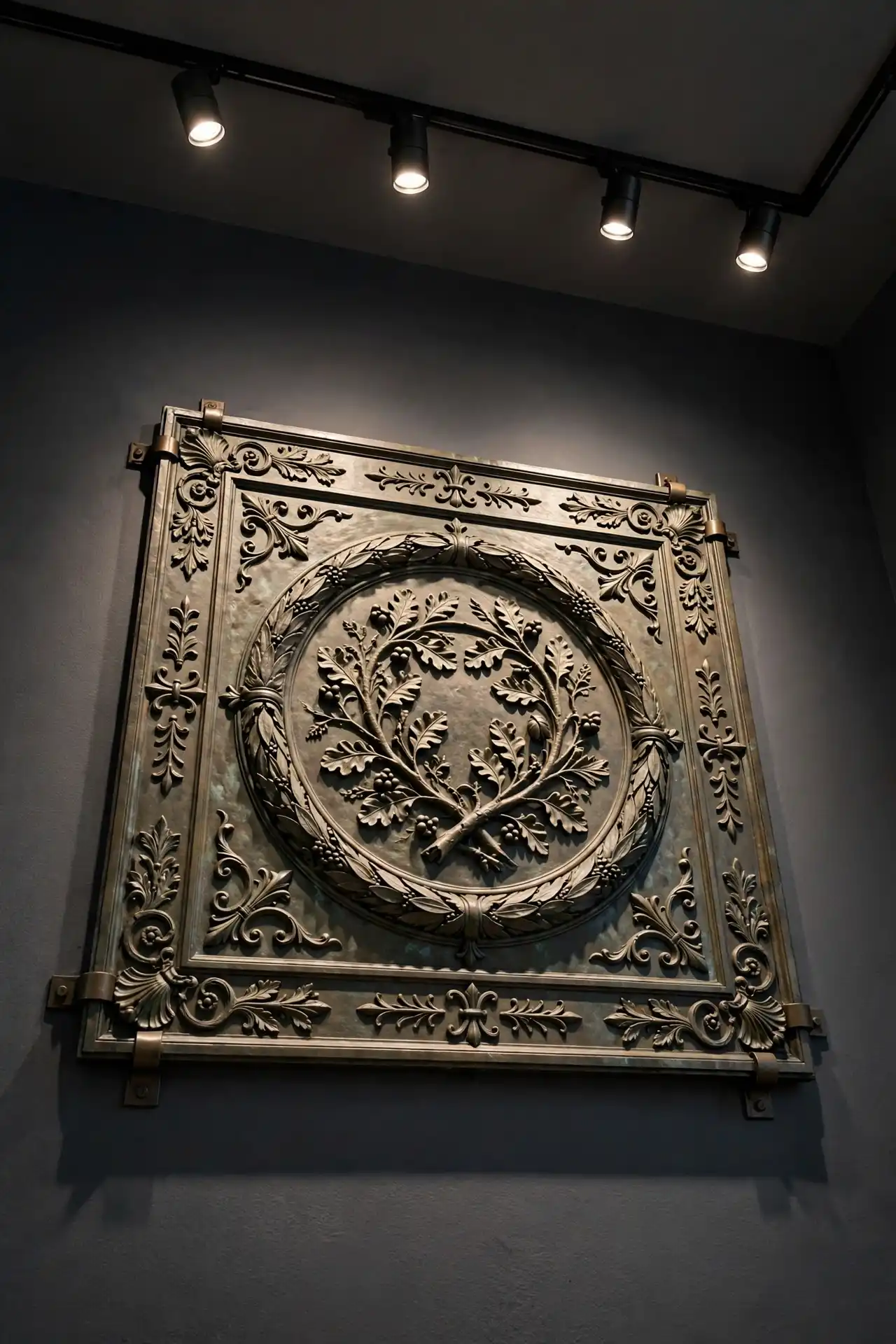
Benin bronze plaques carry a heavier history than almost anything else on this list, and their market has tightened because of it.
Museums are actively repatriating pieces, which means buyers now face real legal exposure if a plaque’s origin is murky, even years after the original sale went through.
Before any purchase, request the full chain of ownership in writing, not a verbal assurance.
A dealer who cannot produce it, or who gets vague when asked exactly when and how the piece left its country of origin, is telling you something worth listening to.
Take that hesitation seriously rather than talking yourself past it because the piece looks right.
This is a category where the paperwork matters as much as the object. A stunning plaque with no export history is not a bargain.
It is a liability that happens to be beautiful, and one that can become unsellable overnight if ownership questions resurface.
⚠️ Watch Out
A plaque without documented export history before the 1970s can be seized or blocked from resale, even years after you buy it.
3. Kuba Raffia Cloth Panels, Framed as Textile Art
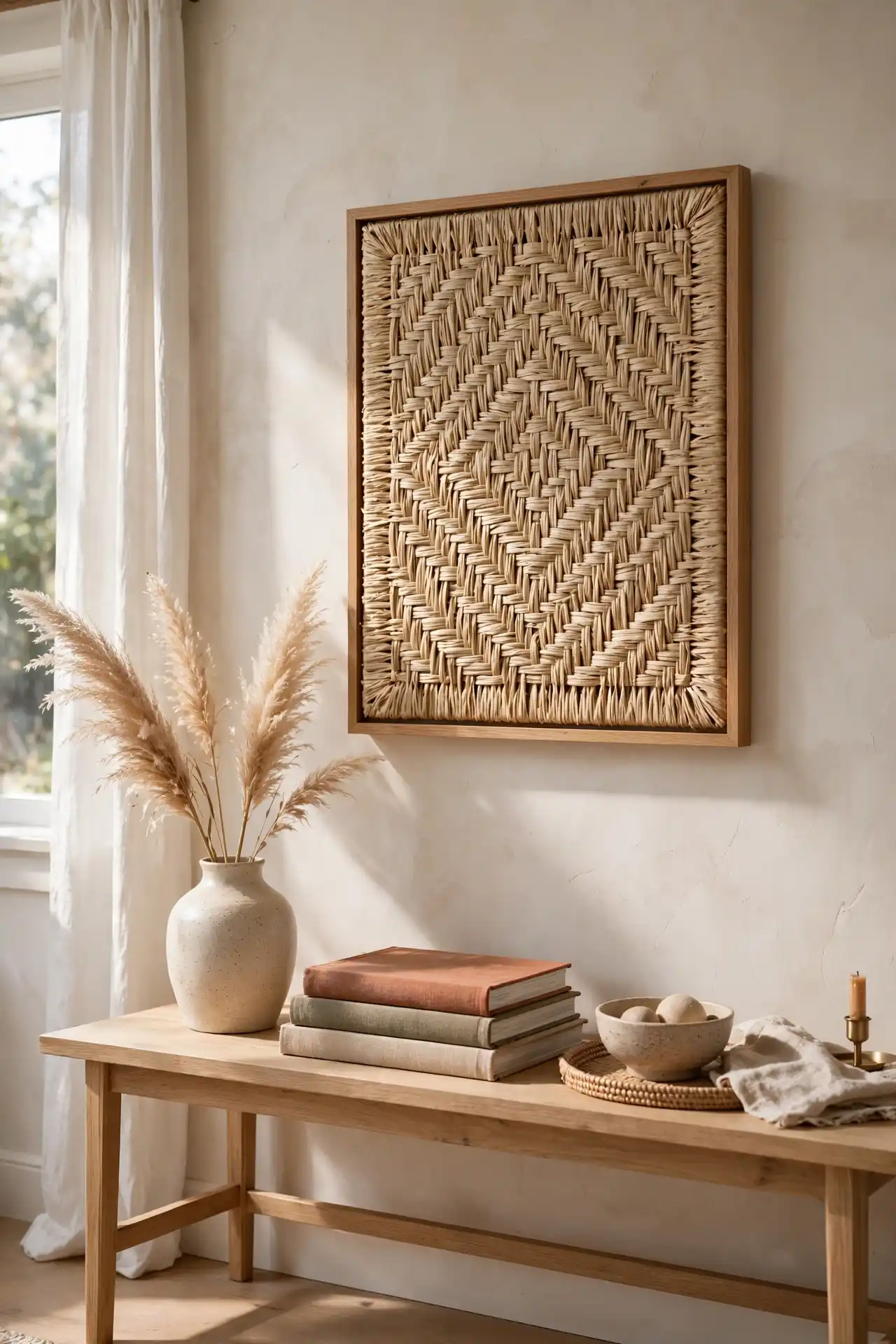
Kuba cloth used to be treated as craft, folded in a drawer or draped over furniture the way a throw blanket might be.
Collectors now frame it under UV-filtering glass and hang it like a painting, and that shift alone has moved prices up over the last decade as textile art gained real standing in the wider art market.
What changes the value is the density and irregularity of the geometric stitching, since the most prized panels were never meant to repeat perfectly.
Look closely at the rhythm of the pattern rather than judging it at a glance. A slightly uneven stitch that breaks the geometry is often a sign of hand work, not a flaw to avoid.
Never trim a raggedy edge to make it look neater. That edge is original and cutting it drops the piece’s value immediately, sometimes by more than a buyer expects for something that seemed like a small cosmetic fix.
Folded in storage, fading unevenly, edges fraying with no support.
Mounted flat behind UV glass, fibers stabilized, displayed as a framed textile.
4. What to Gather Before Bidding on Ndebele Wall Paintings

Ndebele wall art rarely comes to market as the original wall, obviously, so what collectors actually buy are documented panel reproductions painted by recognized artists or their direct apprentices.
That distinction matters more than most buyers realize, since the difference between a lineage piece and a decorative copy can be a large gap in price and long term value.
Before you place a bid, confirm you have the artist’s name or workshop lineage, clear photos of the panel’s condition in raking light, and a written return window in case the pigment was retouched more recently than disclosed.
Bright, saturated color is not automatically a red flag here. It only becomes one if there is no artist attribution to back it up, since the traditional palette has always leaned bold and geometric even in pieces made decades ago.
Before you bid, confirm you have:
5. Makonde Ebony Figures and the Grain That Signals Quality

Run your thumb across the surface before anything else. True ebony from established Makonde carving families has a grain so tight it feels almost glassy, while softer substitute woods stained dark to imitate ebony feel noticeably porous under the same touch, even after a careful finish job.
Collectors who specialize in this category say the carving style, tall interlocking figures known as ujamaa, tells you as much as the wood itself.
Study how the figures connect at the joints. Skilled carvers leave almost no visible seam where one body meets the next, while rushed workshop pieces show gaps filled with wood filler or glue.
Genuine pieces from named carving families sell well above generic tourist-market ebony, sometimes by a wide margin, and that gap tends to widen further once a piece is more than twenty years old.
6. The Right Way to Authenticate Ashanti Gold Weight Sets
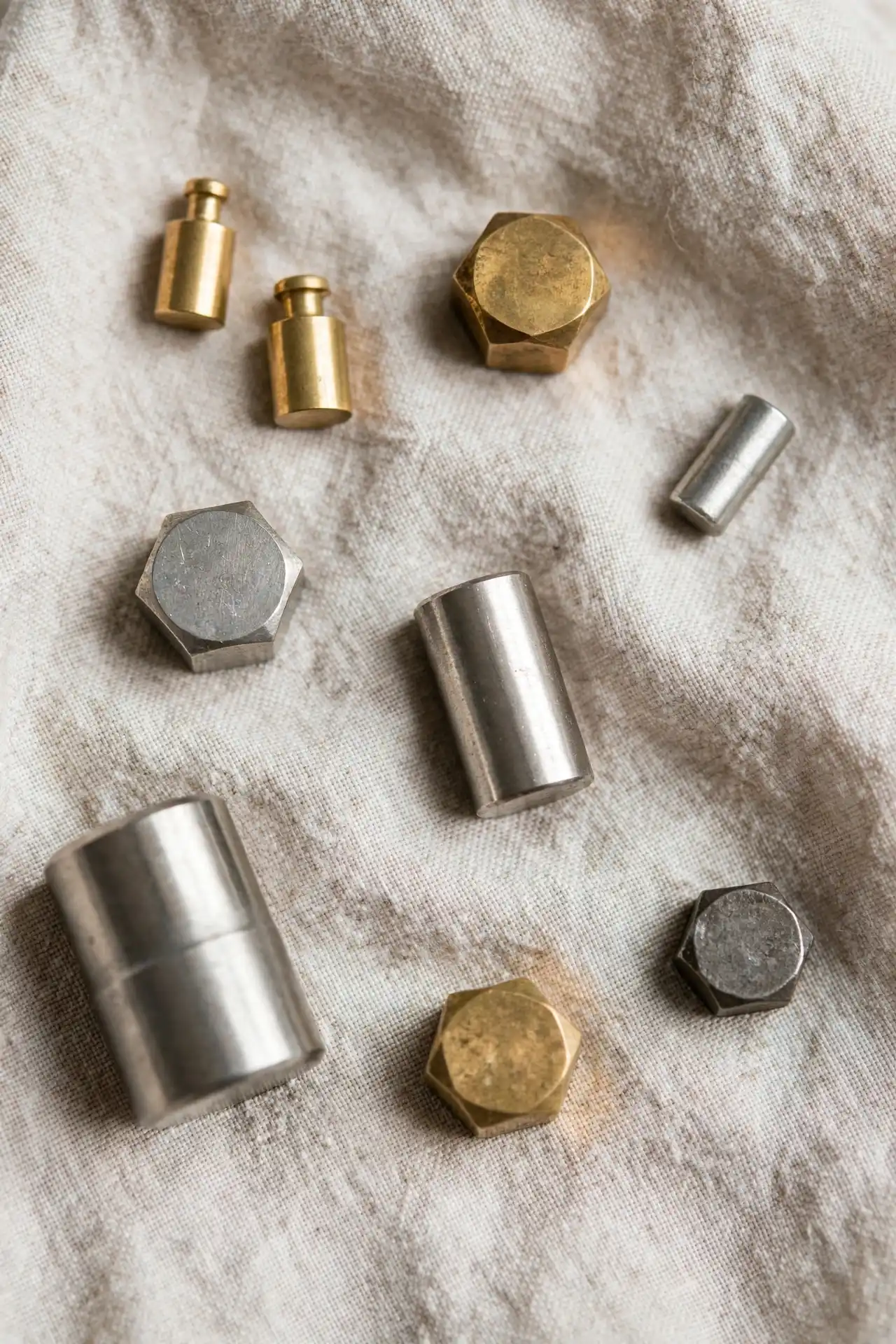
A real Ashanti gold weight was cast once, by hand, using the lost-wax method, so no two pieces in a genuine set are ever perfectly identical.
That small irregularity is actually the proof you want, and it shows up most clearly when you line several weights from the same set side by side.
Reproduction sets made for the tourist trade tend to look almost mold-perfect, which is the opposite of what collectors look for.
Compare the piece against known casting variations for its animal or geometric form rather than trusting a single reference photo, and check the surface patina under raking light for the kind of uneven wear that only builds up naturally over decades of handling.
Buy sets, not singles, whenever you can. A documented set holds resale value far better than one weight sold on its own, since dealers and appraisers both prize completeness in this category.
Compare the piece against known casting variations for its animal or geometric form, not a single reference photo.
Check the surface patina under raking light for uneven wear that builds up naturally over decades.
Ask a specialist appraiser to weigh it against the standard mystical unit system the Ashanti used for trade.
7. Zulu Beadwork Panels: Investment Piece or Decor Piece?
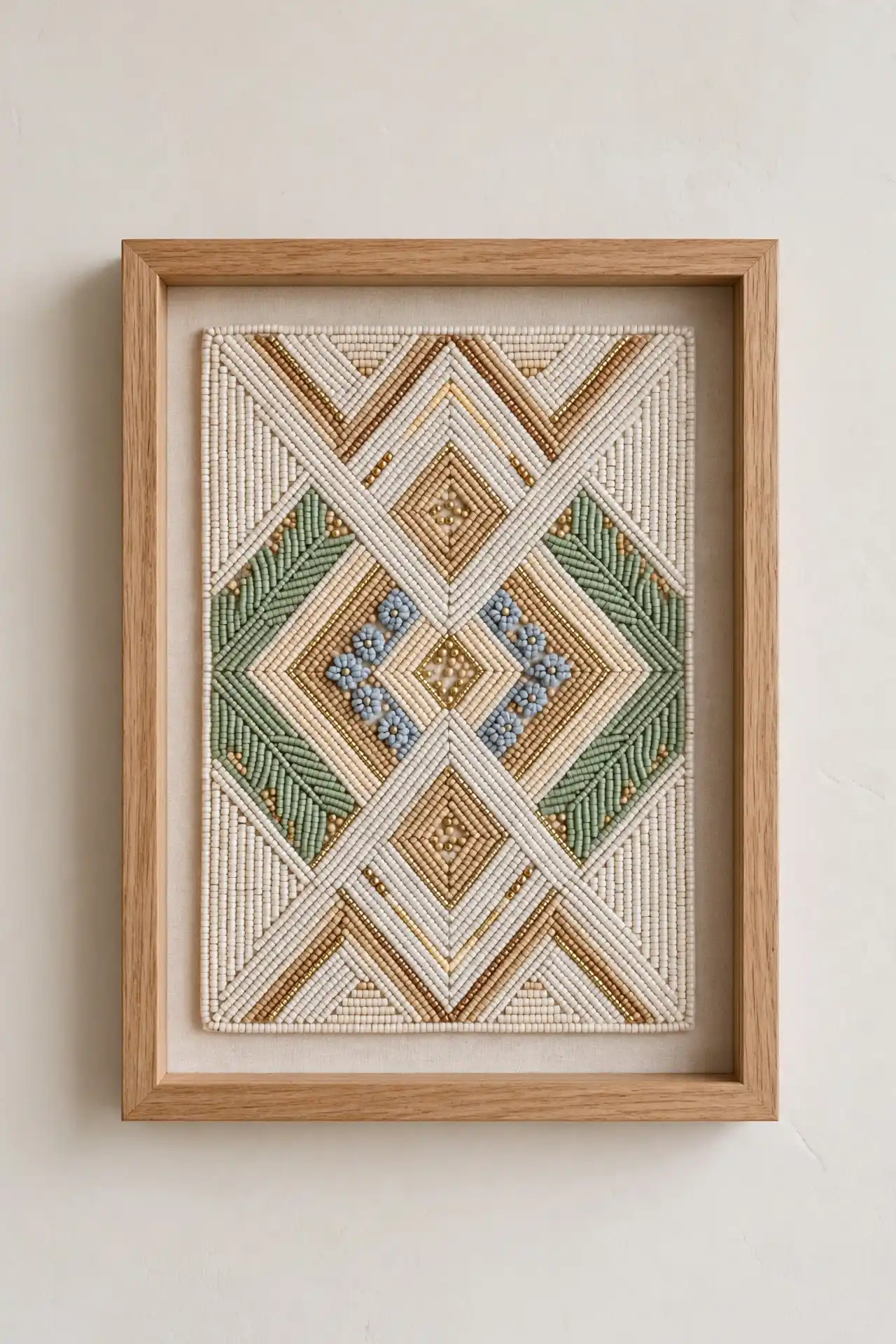
Not every beadwork panel belongs in the same category, and mixing them up is the most common mistake new buyers make.
Some pieces are decorative reproductions made for the export market, strung on plastic thread with a uniform, almost machine-perfect tension.
Others carry regional color symbolism tied to specific Zulu communities, and those are the ones collectors actively track and pay a real premium for.
Look closely at how the beads are strung. Hand work on natural fiber shows small inconsistencies in tension and spacing, while export pieces tend to look identical bead to bead in a way that hand stringing rarely produces.
Both are fine to own. Just know which one you are paying investment prices for, and ask the seller directly whether the color pattern has a documented regional meaning before you assume it does.
Documented regional origin and color symbolism.
Hand-strung on natural fiber, irregular tension.
No origin attached, sold as a generic pattern.
Machine-uniform beading with plastic thread.
8. Ceremonial Senufo Masks vs. Tourist-Market Copies

Senufo masks carved for actual ceremonial use carry wear patterns that no workshop copy replicates convincingly.
The wood darkens unevenly around the areas hands and ropes touched most, and the back of the mask shows genuine friction marks from being worn against skin and fabric over repeated use.
Check the interior rim closely. A ceremonial mask usually has rope-worn grooves where it was tied and adjusted, while a tourist copy tends to have a smooth, uncarved interior that was never meant to be worn at all.
Insect activity, when present and consistent with the wood’s claimed age, is another honest sign that a mask has been in circulation for a long time rather than freshly carved and artificially aged.
If a dealer cannot explain the wear pattern, treat the piece as decorative until proven otherwise, and price your offer accordingly rather than paying ceremonial-grade prices for a piece with no real history behind it.
| Ceremonial Original | Tourist Copy |
|---|---|
| Uneven darkening from handling and smoke. | Even, freshly stained finish. |
| Rope-worn grooves on the interior rim. | Smooth, uncarved interior rim. |
| Insect activity consistent with age. | No insect activity at all. |
9. The One Detail That Separates a Real Tuareg Silver Piece From a Fake

The hallmark stamp gets faked constantly, so experienced buyers stopped relying on it years ago.
What they check instead is the join line where the silver panels meet, since traditional Tuareg silversmiths soldered by hand and left a faint, slightly wandering seam that follows the natural unevenness of hand work rather than a machine template.
Machine casting produces a seam that is too clean to be handmade, and that single detail has saved more than one collector from an expensive mistake.
Run a fingertip along the join under strong light. A seam you can barely feel, with slight waviness rather than a straight mechanical line, is usually a good sign that the piece was made the traditional way.
Weight and sound also help confirm quality. Genuine silver has a denser feel and a slightly different resonance when tapped than the alloys often used in reproductions.
A perfectly straight, machine-smooth seam is the clearest sign you are holding a modern reproduction.
10. Storing and Framing Malian Bogolan Mud Cloth Correctly
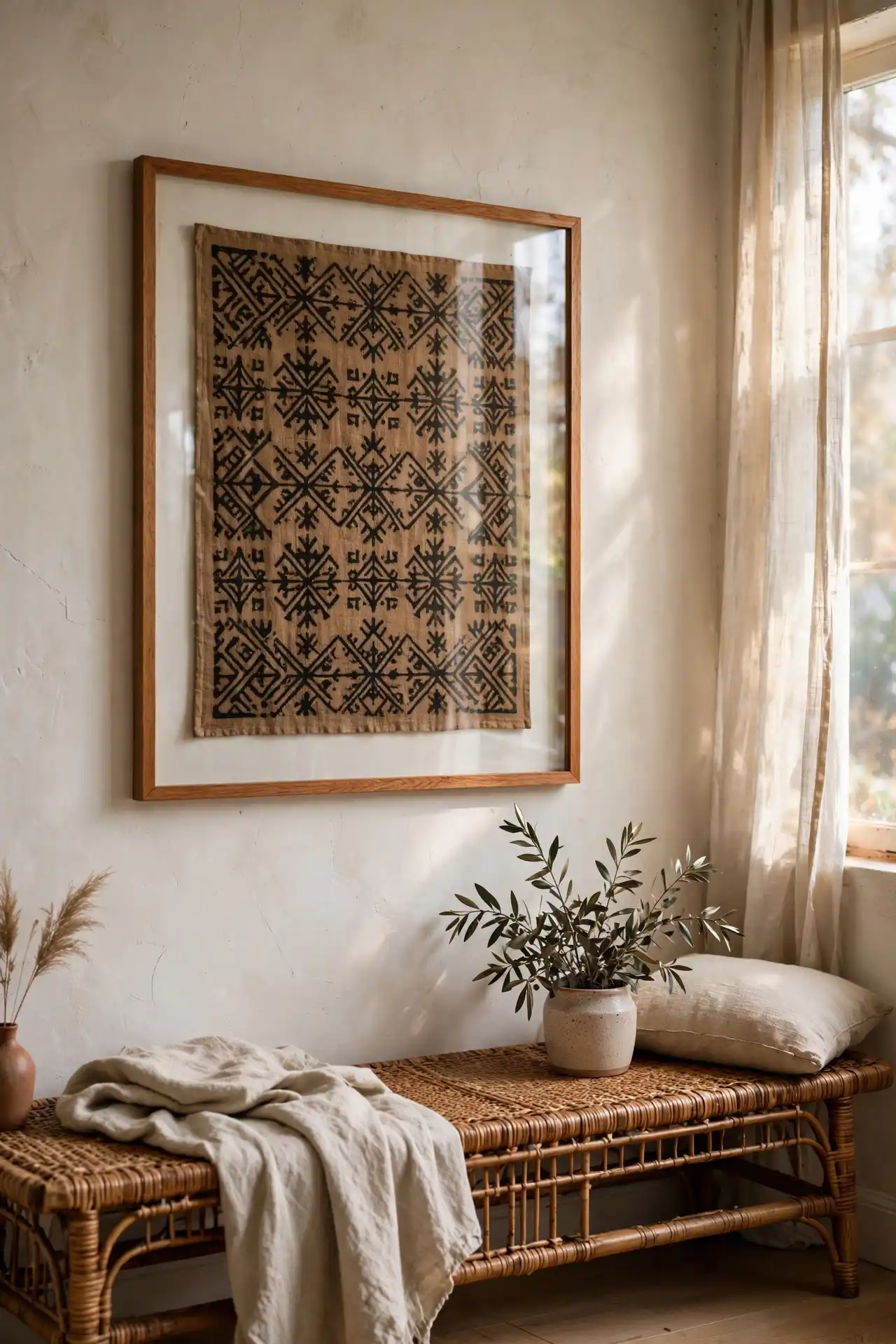
Bogolan gets its color from fermented mud dye, and that same dye keeps reacting to light and humidity long after the cloth leaves Mali.
Frame it wrong and the pigment can shift color within a year, turning a rich earthy brown into something noticeably duller and flatter than what you originally bought.
Keep bogolan out of direct sunlight and away from bathroom-level humidity, even when it is framed behind glass, since trapped moisture inside a poorly sealed frame can do more damage than open air exposure ever would.
Rotate the piece out of direct light seasonally if it hangs somewhere that gets strong afternoon sun.
A museum-grade mount with acid-free backing costs more upfront, but it is the difference between a cloth that lasts decades and one that fades within a few seasons of casual framing from a standard shop.
📌 Good To Know
Keep bogolan out of direct sunlight and away from bathroom-level humidity, even when it is framed behind glass.
11. Contemporary Nigerian Photography Now Entering Auction Houses
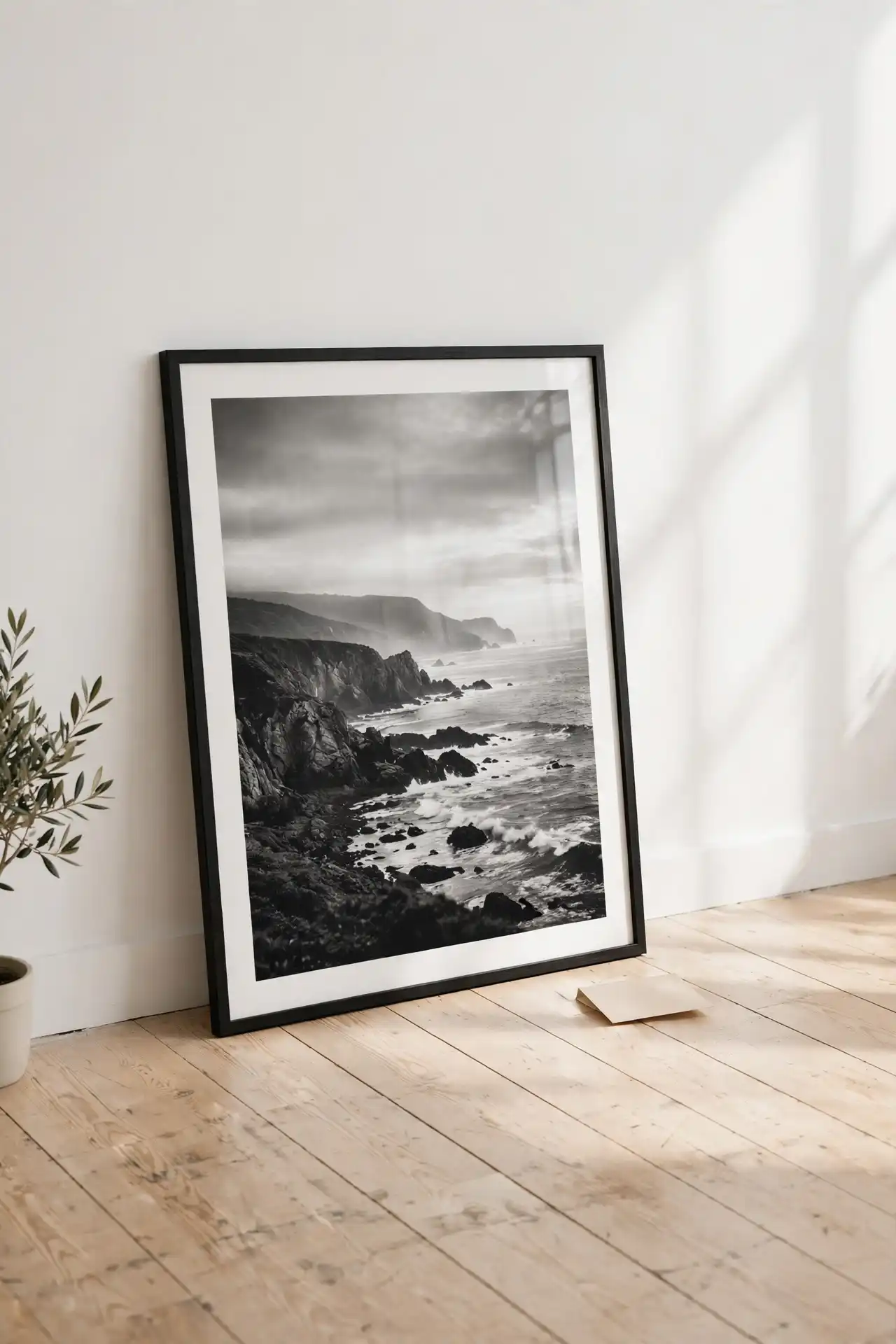
Auction houses that used to skip photography entirely have started running dedicated Lagos and Nigerian diaspora sales, and prices for limited edition prints have climbed fast enough to catch traditional collectors off guard.
What used to be treated as a secondary category is now drawing serious bidding attention on its own.
Edition size matters more here than in almost any other category on this list. Small, numbered runs printed using archival pigment methods hold value far better than open editions, and a signature on the verso in pencil, rather than printed or stamped, is a strong sign of an artist-controlled release.
Buy from the first third of an edition when you can. Later prints in the same run rarely command the same resale premium, since early numbers tend to be associated with the artist’s most hands-on involvement in the printing process.
12. Questions to Ask Before You Buy an Ethiopian Icon-Style Painting
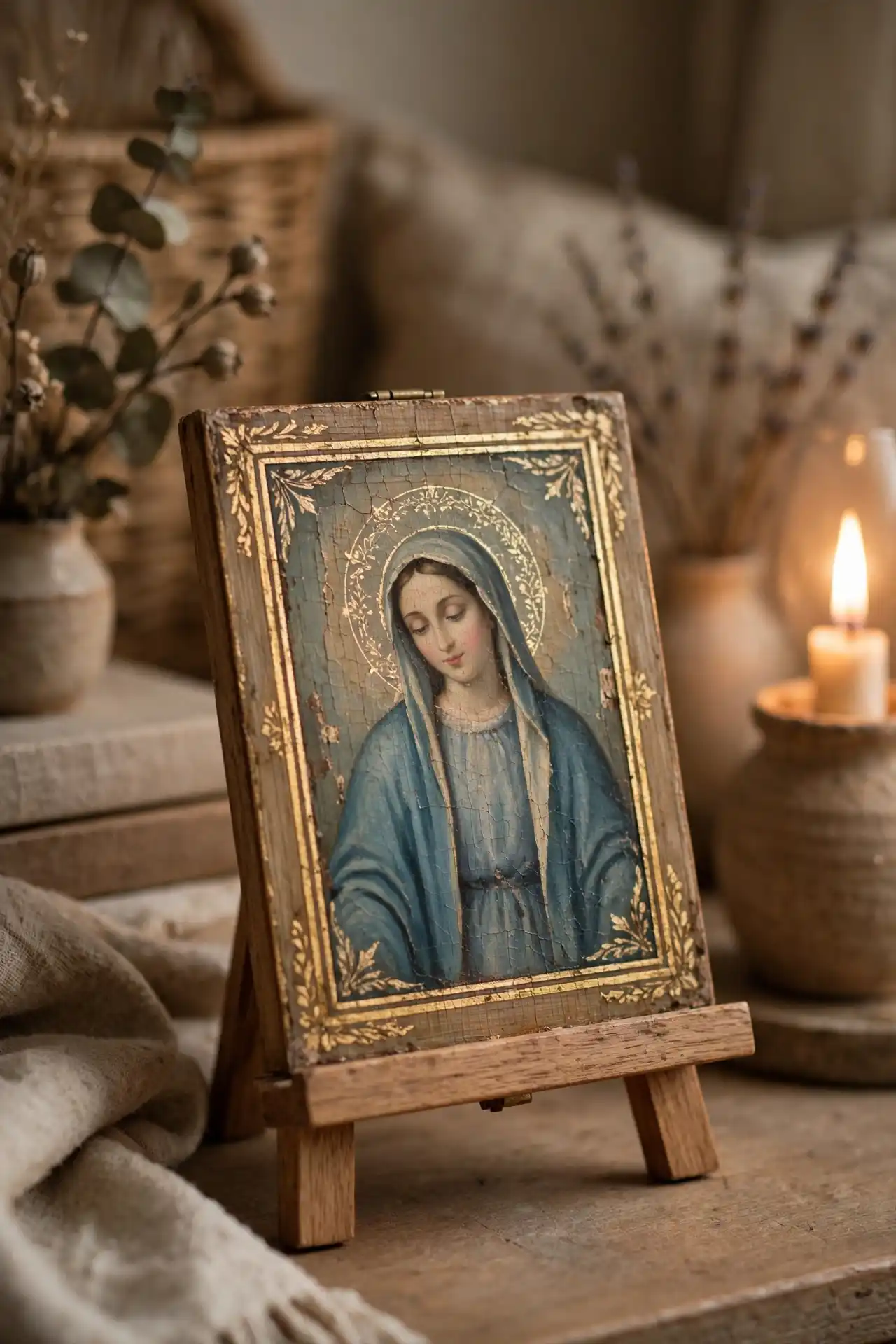
Most Ethiopian icon-style paintings sold online skip past a detail that matters more than the image itself, which is who trained the artist.
The tradition is passed down through specific church workshops, and that lineage is what a collector is actually paying for, far more than the subject matter or the size of the panel.
Before you commit to a price, ask which workshop or teacher trained the artist, whether the pigment was made using traditional mineral or natural sources rather than modern acrylics, and whether the panel wood is period-appropriate for the claimed age of the piece.
A seller who answers all three without hesitation is usually one worth buying from again, and one worth building a longer relationship with if you plan to collect more than a single piece in this category.
Ask the seller directly:
13. Dogon Door Panels: From Village Use to Gallery Wall

A Dogon granary door spent decades sealing off dried millet from thieves and animals, not hanging on anyone’s wall.
That working history is exactly why collectors want it now, since the carved ancestor figures and the wear from daily use cannot be replicated in a new piece no matter how skilled the carver.
Look for wear that makes sense with how the door was actually used. Sun weathering on one face, smoothed edges where hands gripped it repeatedly, and slight warping from years of dry heat all tell a consistent story, while a door that looks uniformly aged all over is worth a second, more skeptical look.
Ask for a stability assessment before hanging one. Decades of dry heat can leave old wood more fragile than it looks, and a proper mounting system distributes weight in a way that protects the piece long term.
Mounted on a granary, weathered by sun and handled daily by hand.
Mounted vertically on a gallery wall, stabilized and lit to show relief carving.
14. How to Read a Certificate of Authenticity for African Sculpture

A certificate is only as good as the person who signed it. A gallery letterhead with no named specialist behind it carries far less weight than buyers assume, so learn to read the document itself instead of trusting the paper and the logo at the top of the page.
Look for a named appraiser with a checkable credential, not just a gallery name attached to the sale.
Confirm the piece is described specifically, with exact dimensions and material rather than vague language like African wood or tribal art.
Check that the issue date lines up sensibly with when the piece supposedly left its country of origin.
A vague certificate is often worse than no certificate at all, since it can give false confidence at resale and make a buyer feel protected when nothing about the document actually holds up under scrutiny.
Look for a named appraiser with a checkable credential, not just a gallery name.
Confirm the piece is described specifically, with dimensions and material, not in vague terms.
Check the issue date against when the piece supposedly left its country of origin.
15. South African Abstract Canvases and What Drives Their Resale Value

Price here has less to do with size than most buyers assume. What actually moves resale value is exhibition history, meaning whether the canvas has hung in a recognized gallery show or biennial before reaching a private collection, rather than the physical dimensions of the piece itself.
A large canvas with no exhibition record often sells for less than a smaller one with a documented show history attached to it.
Ask for gallery invoices, exhibition catalogs, or press mentions tied to the specific piece, not just general information about the artist’s career.
Ask for the exhibition history in writing before you negotiate. It is often the single biggest lever on final price, and sellers who cannot produce it are usually pricing the piece on hope rather than track record.
Conclusion
None of these pieces need to be bought all at once, and most serious collectors build a shelf like this over years, not a single shopping trip.
What matters more than speed is discipline: asking for provenance, checking the details that fakes always miss, and walking away when a seller cannot answer a basic question.
That discipline is really what separates luxury African art pieces for collectors from the decorative pieces sold at the same price point. The value holds because the story behind the object holds too.
Save this list for the next time you are ready to add a piece to your collection, so you have the checklist on hand before you buy.